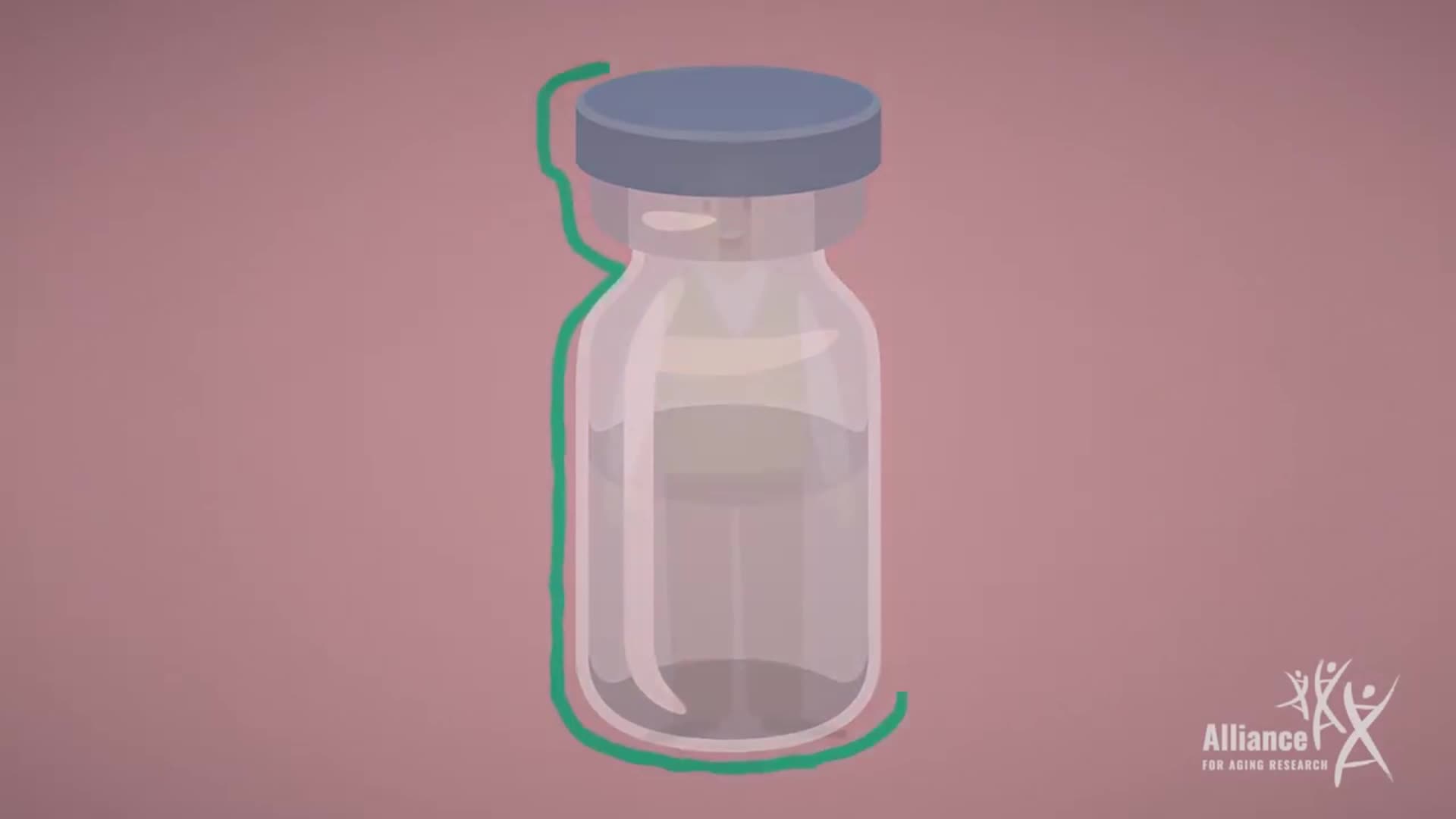
The Importance of Vaccines
Summary
Vaccines are crucial for disease prevention, helping protect individuals and communities. They build immunity and are monitored for safety by health authorities.
Highlights
🛡️ Prevention Over Treatment: Vaccines are vital for preventing diseases rather than just treating them.
💉 Building Immunity: They stimulate the body to create antibodies against illnesses.
🏥 Safety Monitoring: Vaccines undergo rigorous safety testing by the FDA and CDC.
📅 Age-Specific Recommendations: Vaccines are tailored based on age and health conditions.
🤝 Protecting Vulnerable Populations: Vaccination reduces the risk of spreading diseases to high-risk individuals.
🔄 Annual Updates: The flu vaccine is updated yearly to match circulating viruses.
💬 Consult Your Provider: Discuss vaccine options with your healthcare provider for personalized advice.
Key Insights
🌍 Community Health: Vaccination not only protects the individual but also safeguards the entire community, especially those unable to vaccinate.
🧬 Immune Response: By mimicking infections, vaccines enable the immune system to prepare for real threats, enhancing long-term health.
🔍 Regulatory Assurance: The thorough testing and monitoring by FDA and CDC reassure the public about vaccine safety and efficacy.
📊 Vaccination Schedules: Adhering to recommended vaccination schedules ensures optimal protection throughout different life stages.
⚕️ Disease Prevention Strategy: Vaccines are a proactive measure to reduce the burden of diseases like flu and COVID-19.
📆 Adaptation to Changes: The annual flu vaccine reflects ongoing research and adaptation to changing virus strains, emphasizing the importance of staying current with vaccinations.
🗣️ Empowerment Through Knowledge: Engaging in conversations with healthcare providers empowers individuals to make informed decisions about their health and vaccination needs.